

KEEPING FAMILIES CONNECTED
Visitation that keeps families in real relationships
Through the months that try to separate them
Why in Person
The research is clear about why these visits happen face to face
Not by video, and not through glass.
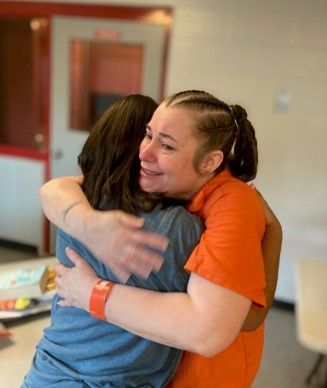
Children limited to non-contact visits show higher rates of insecurity, isolation, tension, and anger.
Warren, Coker and Collins, 2019
Visitation quality is directly linked to the trauma symptoms that both children and caregivers report.
Arditti and Savla, 2015
135
Parents Visited in 2025
293
Children who saw their parent
70
Currently Enrolled
1 hr
Every visit, face to face
Operation Restoration
Keeping Families Connected Through Incarceration
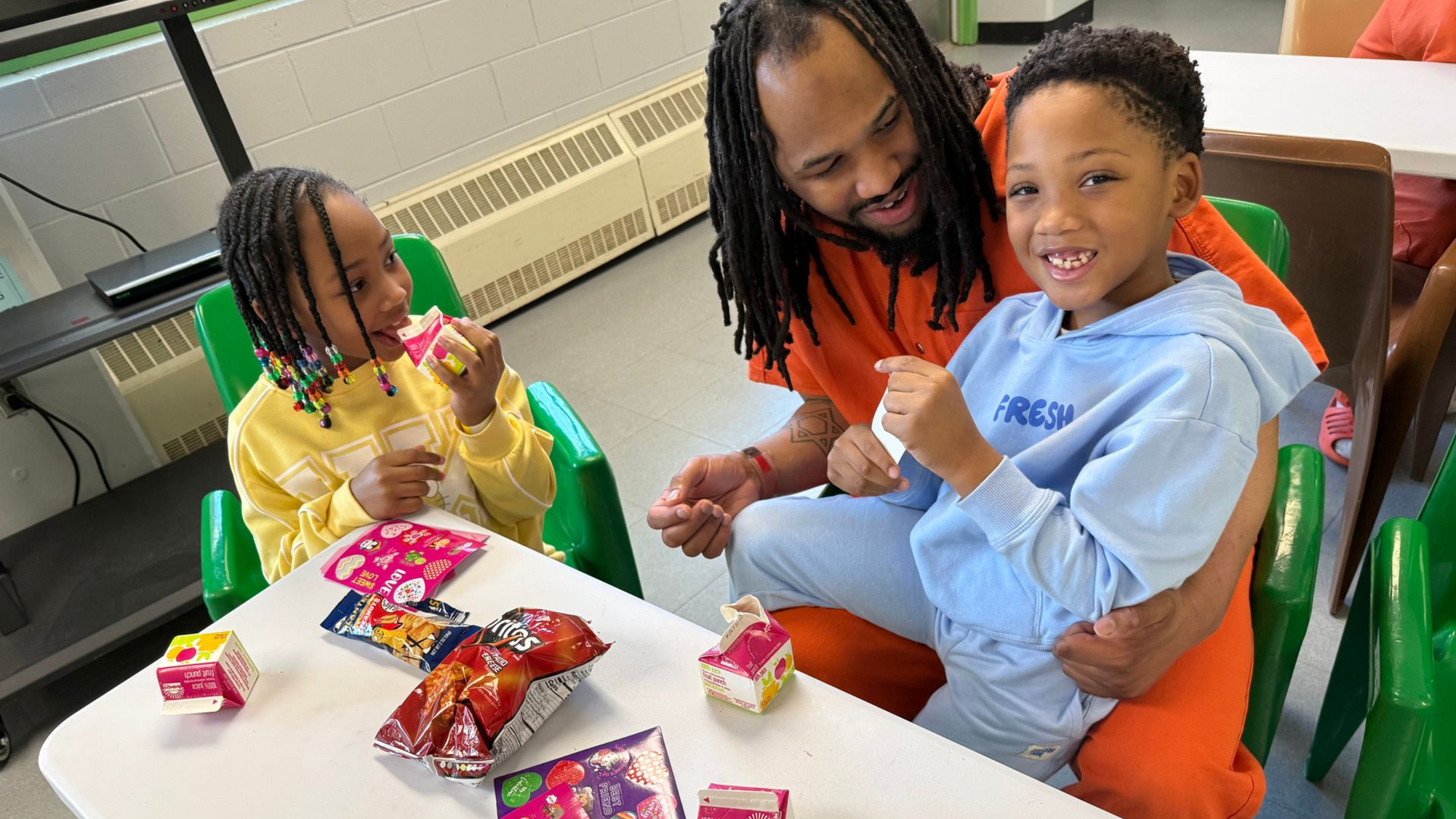
Operation Restoration (OR) is Motherly Intercession's family visitation program and a cornerstone of our work. The program provides children from birth through age 12 with the opportunity to have meaningful, face-to-face visits with their incarcerated parent inside the Genesee County Jail.
Each one-hour visit is structured, supportive, and designed with the child's needs at the center. Caregivers are included, and a social worker is available to provide support before, during, and after the visit when additional guidance is needed.
In 2025, Operation Restoration made visitation possible for 115 fathers and 259 children, as well as 20 mothers and 34 children. Currently, 70 children, parents, and caregivers are enrolled in the program.
But the visit is only one part of the work. Caregivers, often grandparents, aunts, or other family members, receive support with the logistics and challenges of bringing a child to the jail. Incarcerated parents receive preparation and support to help them make the most of their time with their children and process the experience afterward.
Operation Restoration helps protect family connection during a season when separation can easily become permanent. A child deserves the opportunity to know their parent, maintain that relationship, and carry those connections forward as the family works toward its next chapter.
PROGRAM FACTS
WHO
children ages 0 to 12, their incarcerated parents, and their caregivers
WHERE
Genesee County Jail
VISIT LENGTH
1 hour
2025 Fathers
115 fathers, 259 children
2025 MOTHERS
20 mothers, 34 children
DELIVERED WITH
Office of the Genesee County Sheriff, Greater Flint Health Coalition
24/7 Dads
Supporting Fathers After Reentry
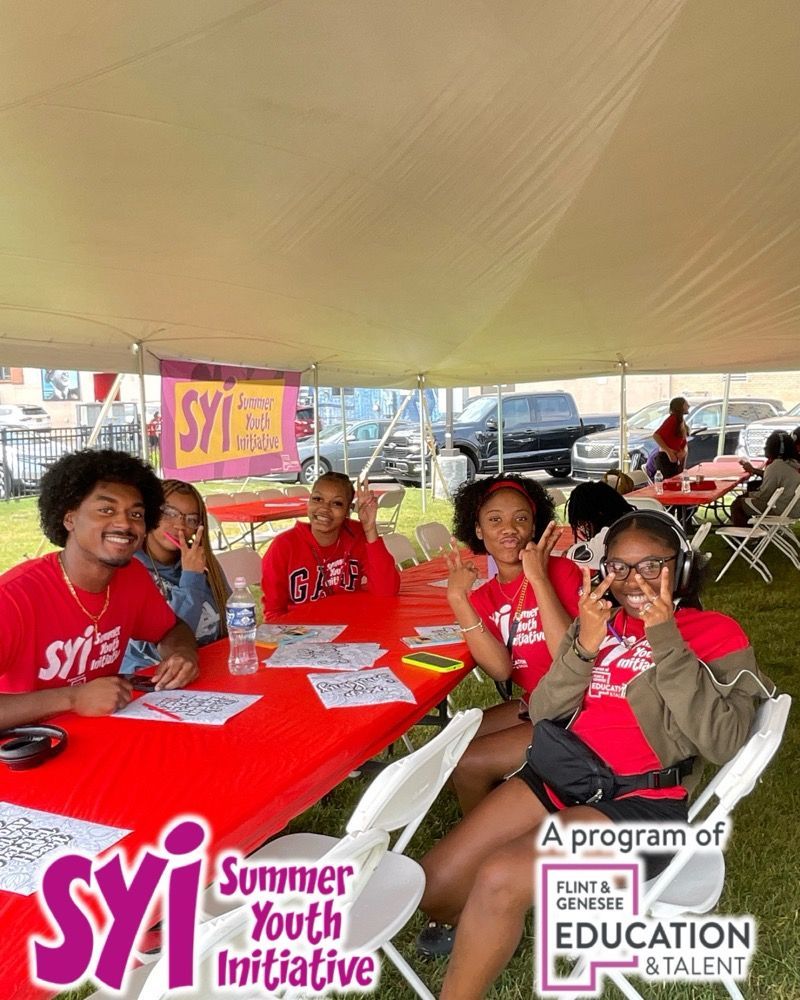
24/7 Dads is an eight-hour fatherhood workshop designed for fathers who have been released from incarceration and are transitioning back into their families and communities. The workshop can be delivered over four days or eight days, depending on scheduling.
The focused curriculum helps fathers identify the key behaviors, attitudes, and skills needed to become the kind of father they want to be. Participants have an opportunity to reflect on their experiences, strengthen communication, build healthier relationships, and develop practical strategies for being more present and engaged in their children's lives.
Unlike F.O.C.U.S., which is a longer parenting program offered inside the jail, 24/7 Dads provides a concentrated reset for fathers navigating life after incarceration.
The goal is simple: help fathers turn their intentions into consistent actions and build stronger relationships with their children after reentry.
PROGRAM FACTS
LENGTH
8 hours, over 4 or 8 days
WHO
Fathers released from incarceration
Type
Focused skills workshop
PAIRS WiTH
F.O.C.U.S., Social Connection Support Group
A Visit Costs Us Something. It Costs a Family Nothing
Every family visit takes more than an hour to make possible. It requires dedicated staff, coordination with the jail, transportation support, preparation, and a social worker on site every visit to ensure each visit is safe, supportive, and centered on the needs of the child and family.
For the families we serve, there is no cost.
We believe a child's relationship with their parent should not be limited by a family's ability to pay. Our investment makes it possible for children to walk through the jail doors, sit with their parent, and experience the connection that can help carry a family through incarceration.
The visit may cost us resources. But it should never cost a family the opportunity to stay connected.